

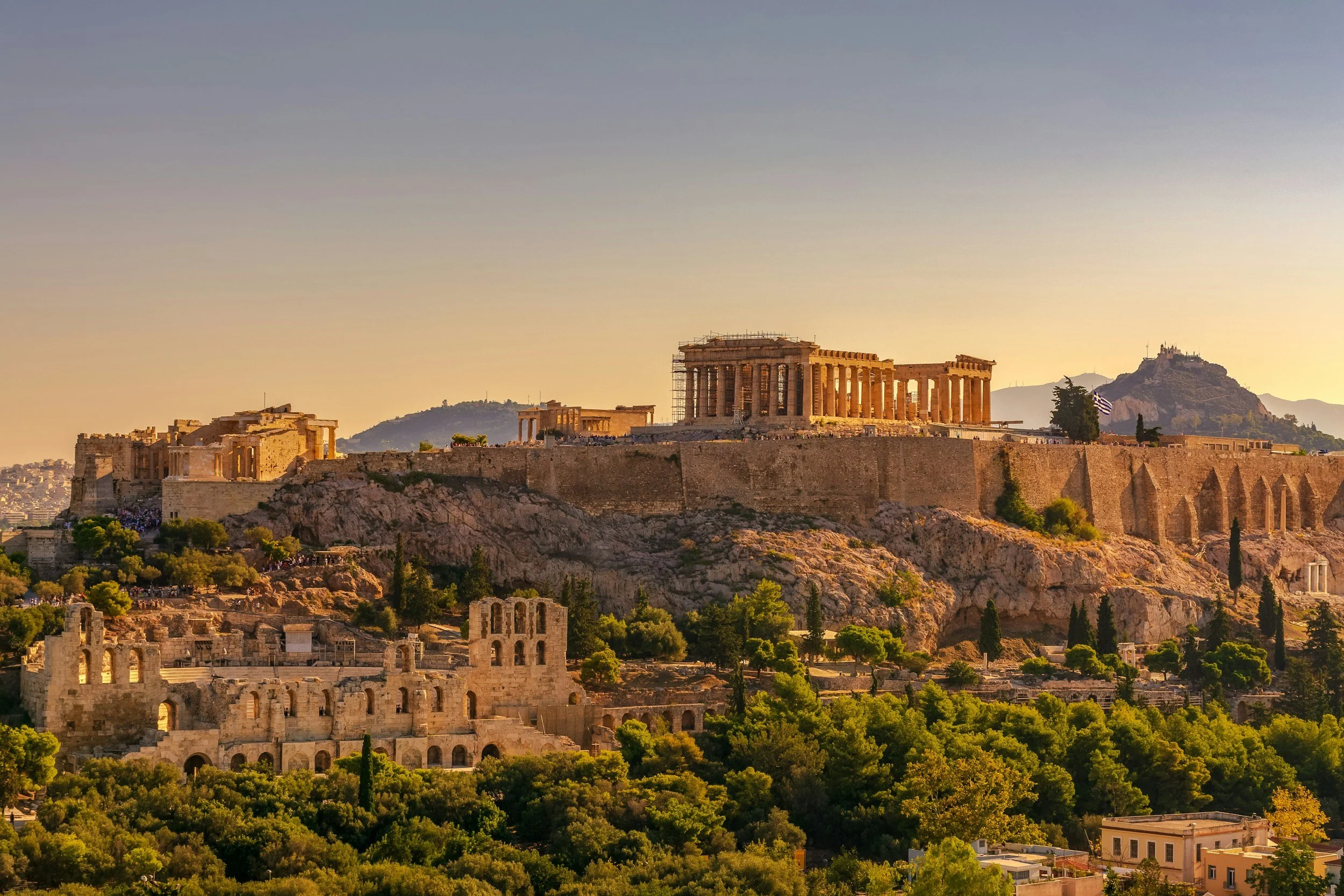
Therapy for Greek Diaspora, First- & Second-Generation Greeks
Being Greek in the diaspora often means living between worlds: one foot in your family’s expectations and traditions, one foot in the culture you grew up in.
Therapy here offers a space to untangle identity, heal intergenerational wounds, and find a version of “Greekness” and selfhood that actually fits you.
·
Καλώς ήρθες
· Καλώς ήρθες
Living Between Worlds You might feel:
Too Greek in some spaces, not Greek enough in others
Guilty for wanting a different life than your parents imagined
Responsible for carrying language, culture, and family stories while also trying to survive your own life
Research on Greek and other immigrant families shows that migration, pressure to assimilate, and cultural dissonance can create ongoing feelings of dislocation, anxiety, and depression in later generations.
Many Greek diaspora adults describe always translating—language, customs, emotions—for their families and the outside world, often without anyone ever translating their own feelings back to them.
Intergenerational & Cultural Trauma
Greek diaspora stories often include:
War, political upheaval, poverty, or dictatorship in older generations
Immigration, loss of homeland, and the grief of leaving family behind
Silence around mental health, “keeping it in the family,” or being told to just be strong
These experiences can travel through families as intergenerational trauma, showing up as anxiety, depression, people-pleasing, perfectionism, and a chronic sense of not belonging anywhere.
Therapy can help you name what was yours to carry and what belonged to earlier generations so you can begin to put some of it down.
Themes We Might Explore Together
In therapy for Greek diaspora, we might work with:
Identity & belonging
Feeling split between cultures, identities, or languages
Navigating “Greek enough / not Greek enough” narratives at home, in community, or in Greece itself
Family expectations & boundaries
Pressure around career, marriage, gender roles, or caregiving
Guilt, obligation, and fear of disappointing parents or extended family
Intergenerational stories & silence
What was spoken and unspoken in your family: secrets, losses, “we don’t talk about that”
How those stories shaped your beliefs about safety, love, and success
Grief, migration, and home
Missing a place you may not have grown up in
Navigating complex feelings after visits to Greece or being far from family
Mental health, shame, and self-worth
Challenging internal messages that therapy is weakness or “other people have it worse”
Making room for your pain without disrespecting your family’s sacrifices
A Diaspora- and Justice-Informed Approach
My approach is trauma-informed, culturally sensitive, and grounded in an understanding of how migration, colonization, and systemic injustice shape our nervous systems and families.
I hold deep respect for your ancestors’ resilience while also making space to question patterns that no longer serve you.Together we will:
Map your family and migration story, noticing where pain, silence, and resilience live
Explore how cultural values support you and where they might trap you in self-erasure
Work gently with nervous system responses shaped by past danger, scarcity, or instability
Therapy is not about rejecting your culture, it’s about making room for your full self inside it, outside it, or somewhere in-between.
How We Might Work Together
Because diaspora experiences are layered and often hard to put into words, our sessions can integrate:
Talk therapy
Space to process your story, family dynamics, and identity conflicts at your own pace
Exploring how early experiences shape current relationships, work, and self-image
Somatic work
Noticing where stress, guilt, or grief live in your body
Simple practices to help your nervous system feel a bit safer, more grounded, and less on alert
Creative and symbolic processes
Art-making, images, dreams, myths, and symbols (Greek or otherwise) to give shape to experiences that are hard to talk about
Connecting with your own meaning-making traditions—rituals, music, poetry, or spiritual practices—as part of healing